Verruca Masterclass

Max. 12 delegates.

Course Overview

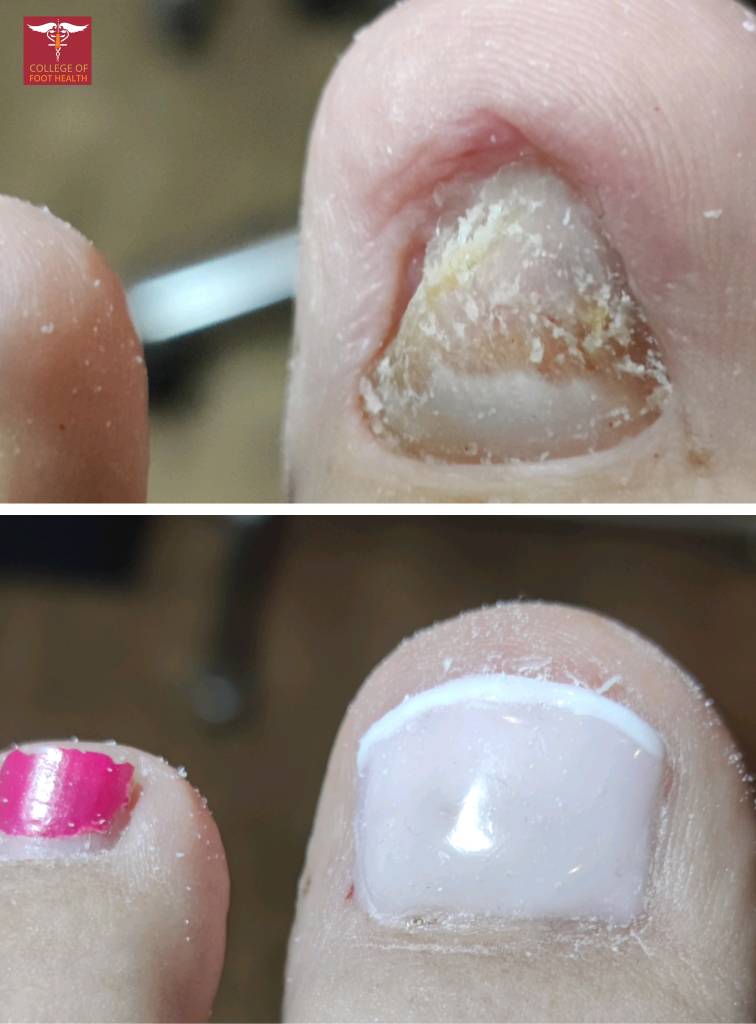
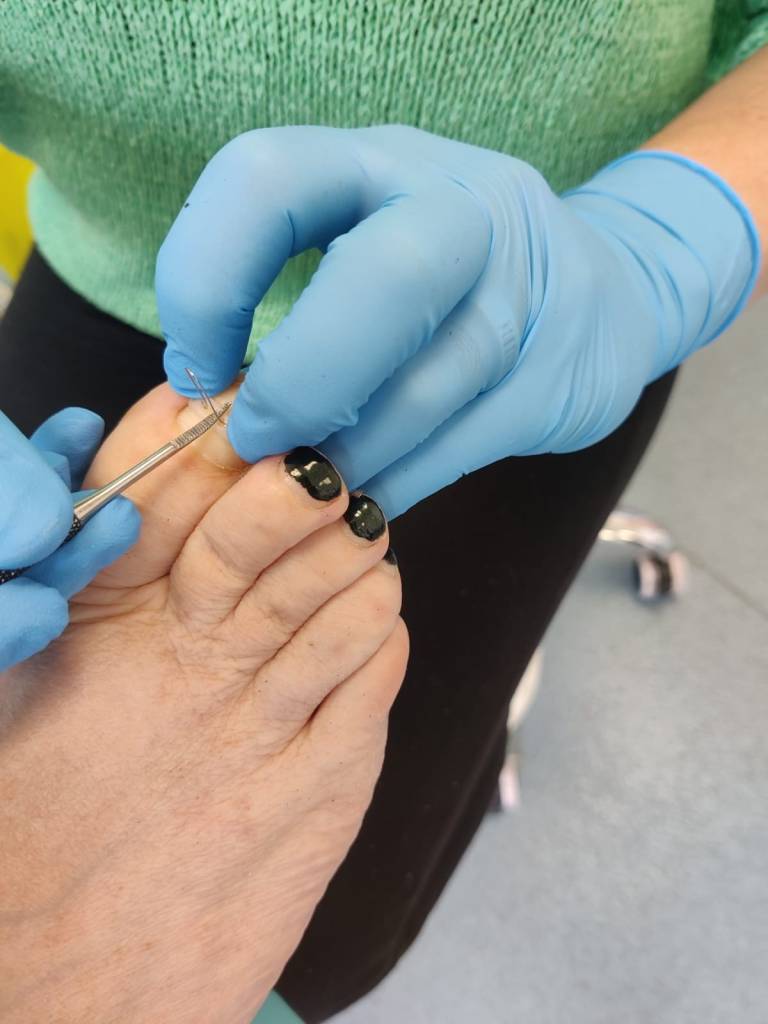
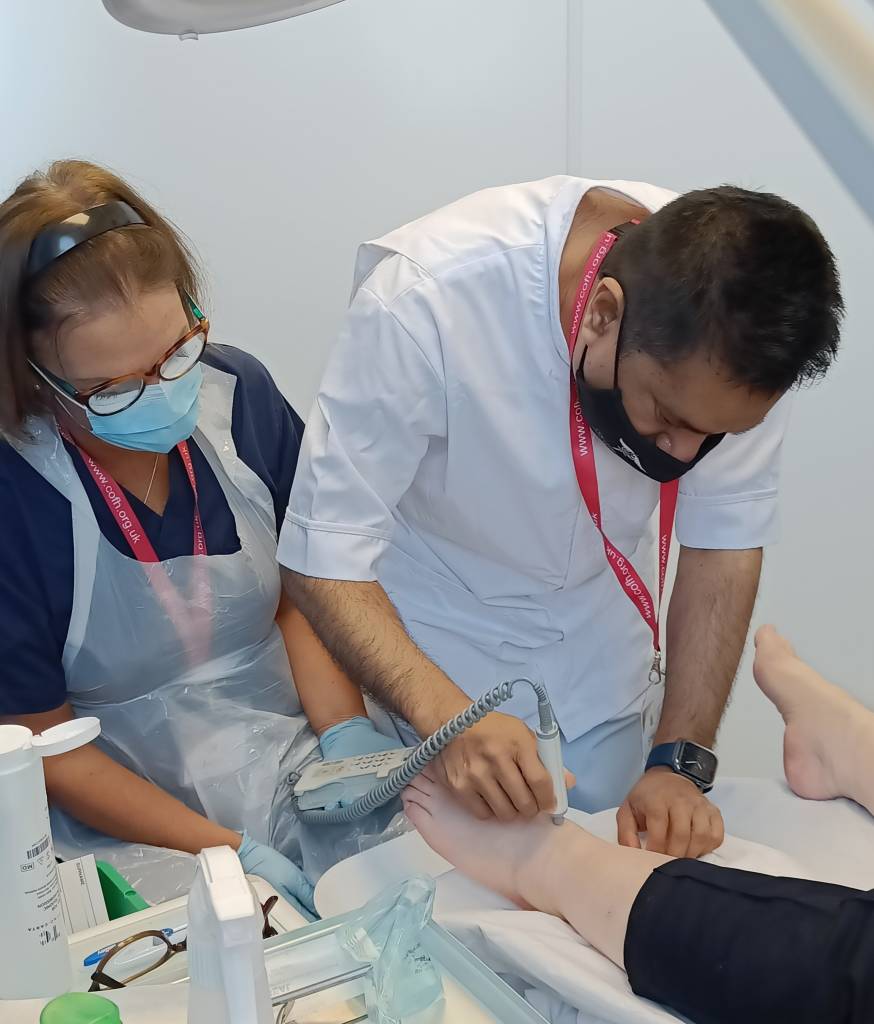
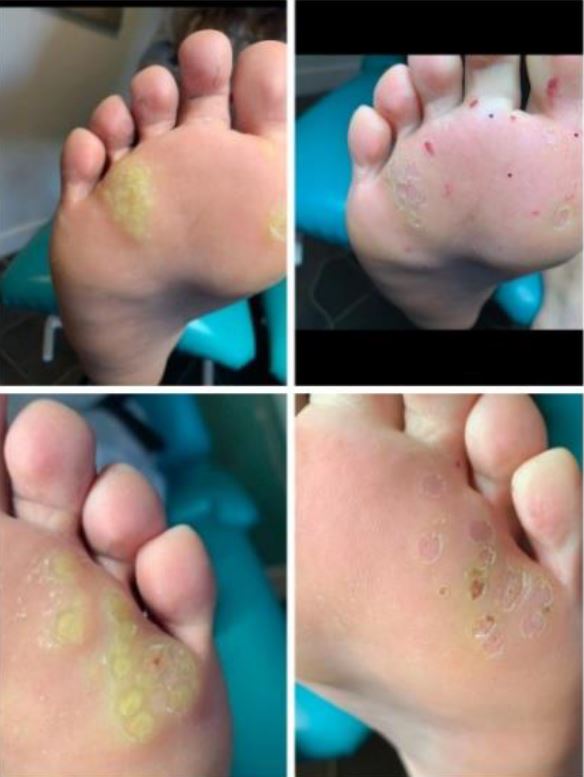
Wart infections are seen very frequently in the daily practice of medical foot care. The human papilloma virus, like other viruses, are extremely difficult to successfully treat, with many treatment modalities being aggressive and painful. Our Verruca Masterclass discusses safe, usually painless and effective methods of treatment for many patients, particularly children, anxious and those with potentially complicated or difficult healing, such as diabetes.

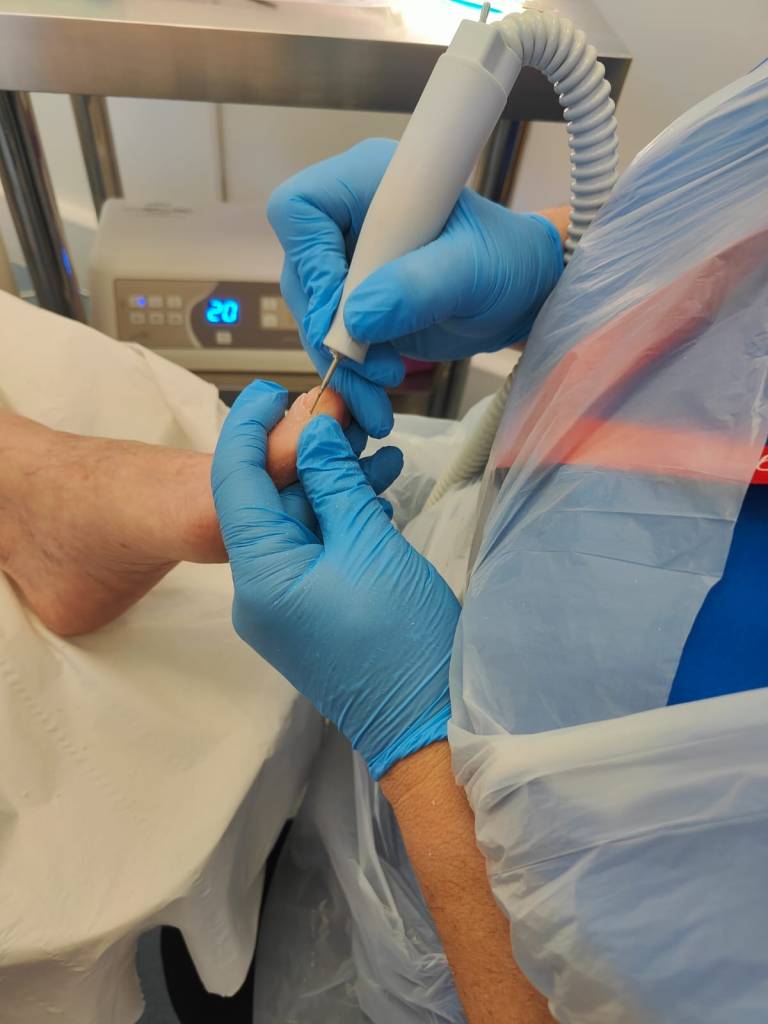
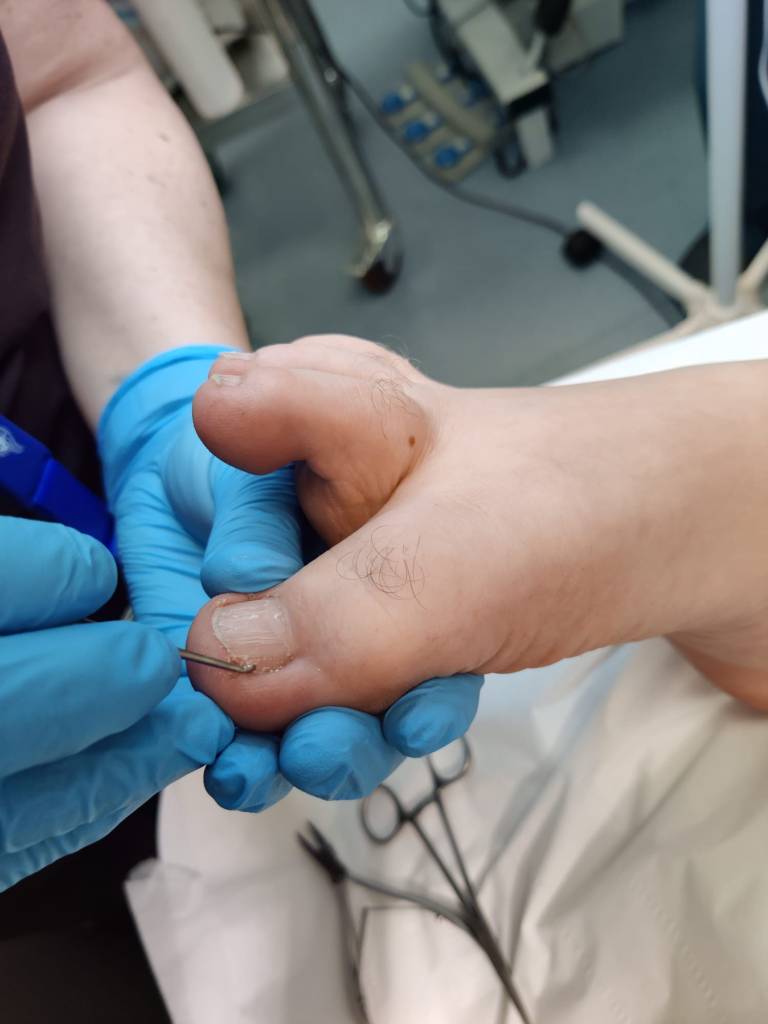
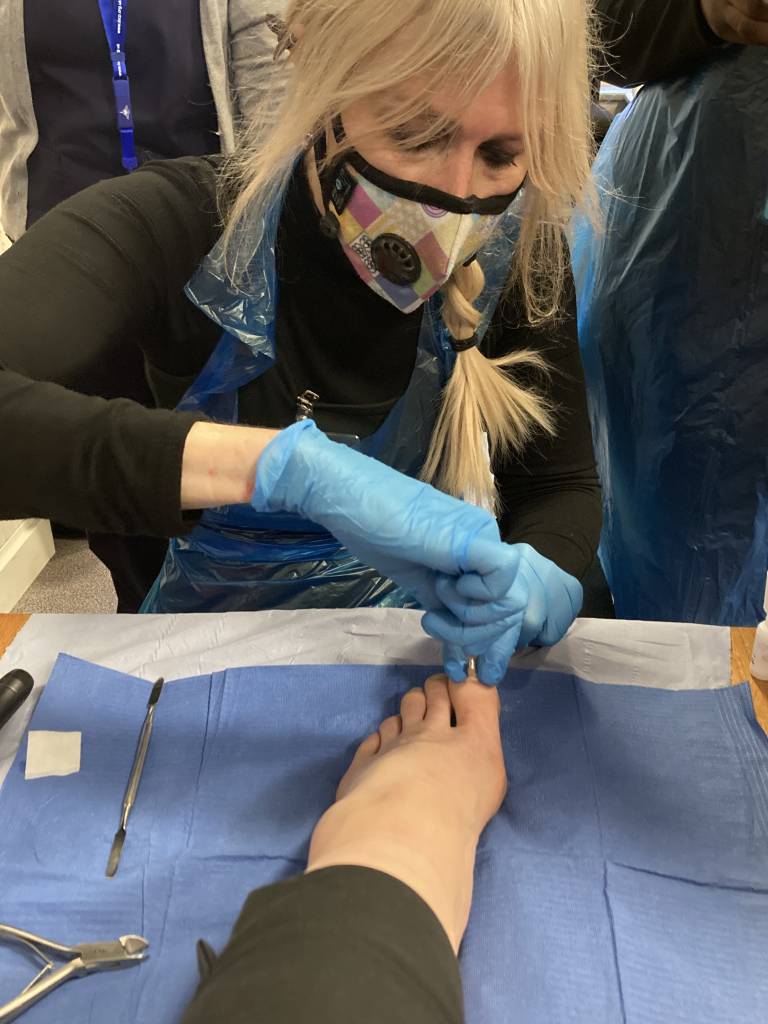
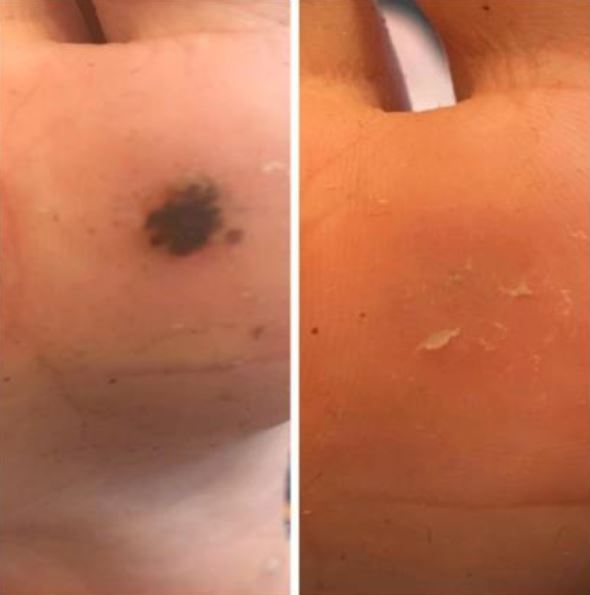
During this course, we will study the human papilloma virus, and also how to recognise other possible differential diagnosis. We will also assess when to refer to a podiatrist/dermatologist, and discuss other methods of treatments used, including Plasma Pen, Faulkner needling, curettage and excision, cryosurgery, caustics, Swift microwave and also a variety of over-the-counter medications.

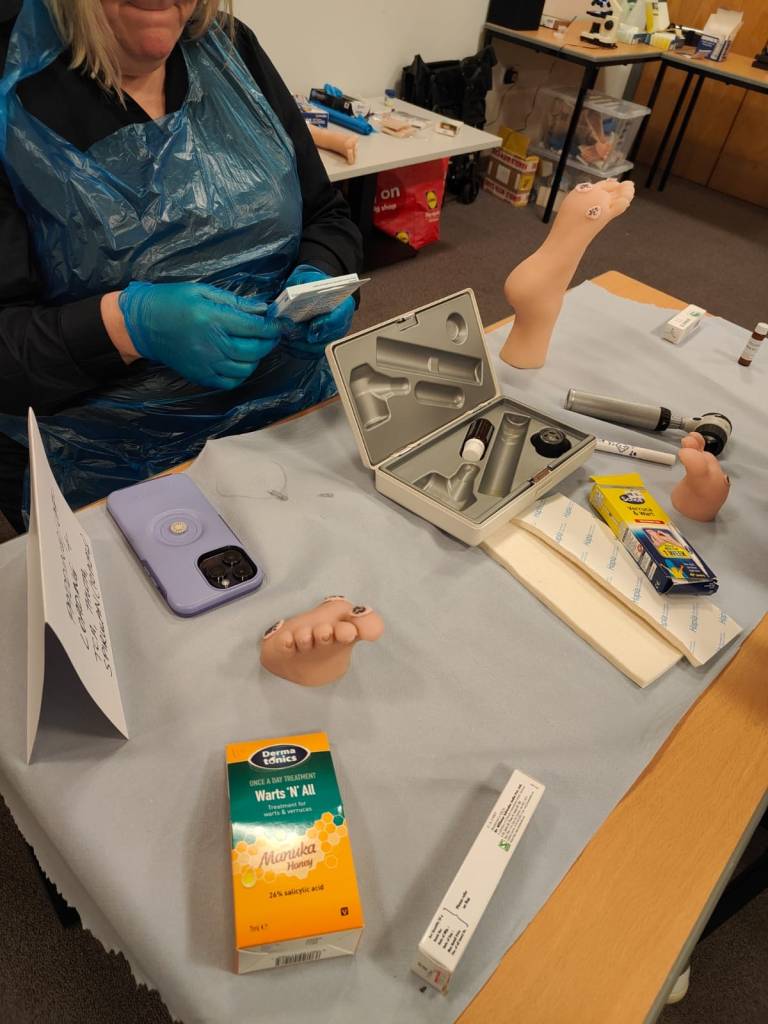
Verrutop (a Class IIa healthcare product only available to practitioners), and Spirularin VS will be discussed at length as they are safe and effective, and are quite novel treatments that can be promoted and used within clinical practice. We will also practise the use of the capillary tube application, used to extract and apply Verrutop, and discuss the homeopathic product Thuja (pillules and cream).

During this Masterclass, we will also investigate the use of TCA (Trichloroacetic acid), which can be safely applied using either the Scholl Verruca and Wart pen

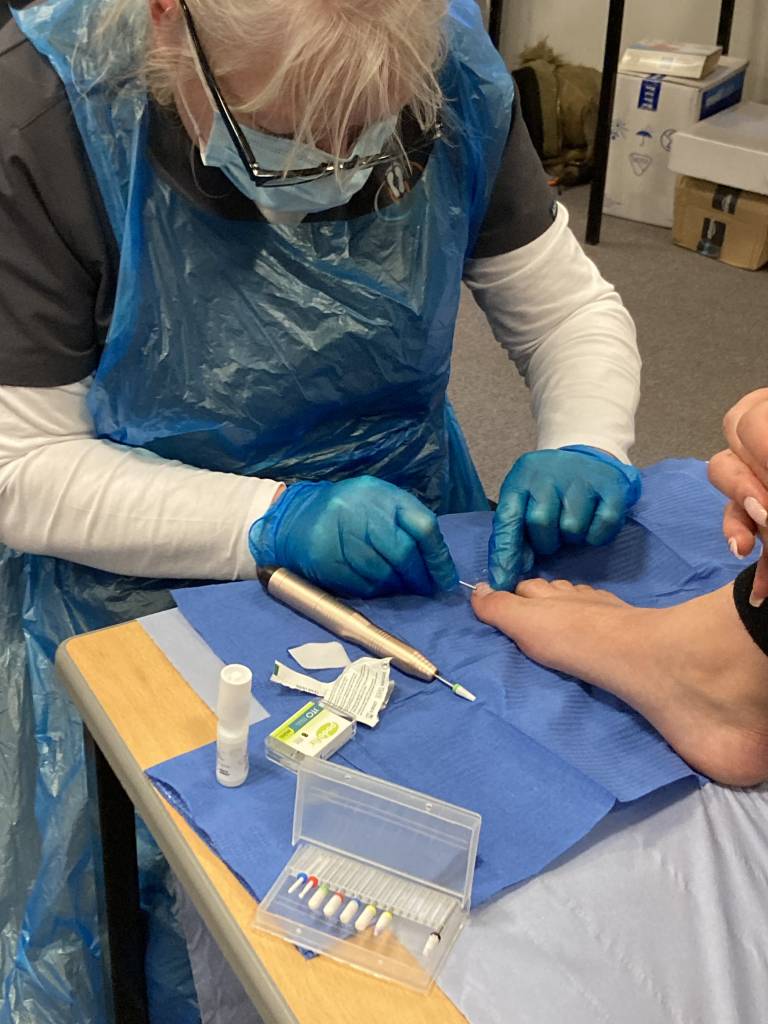
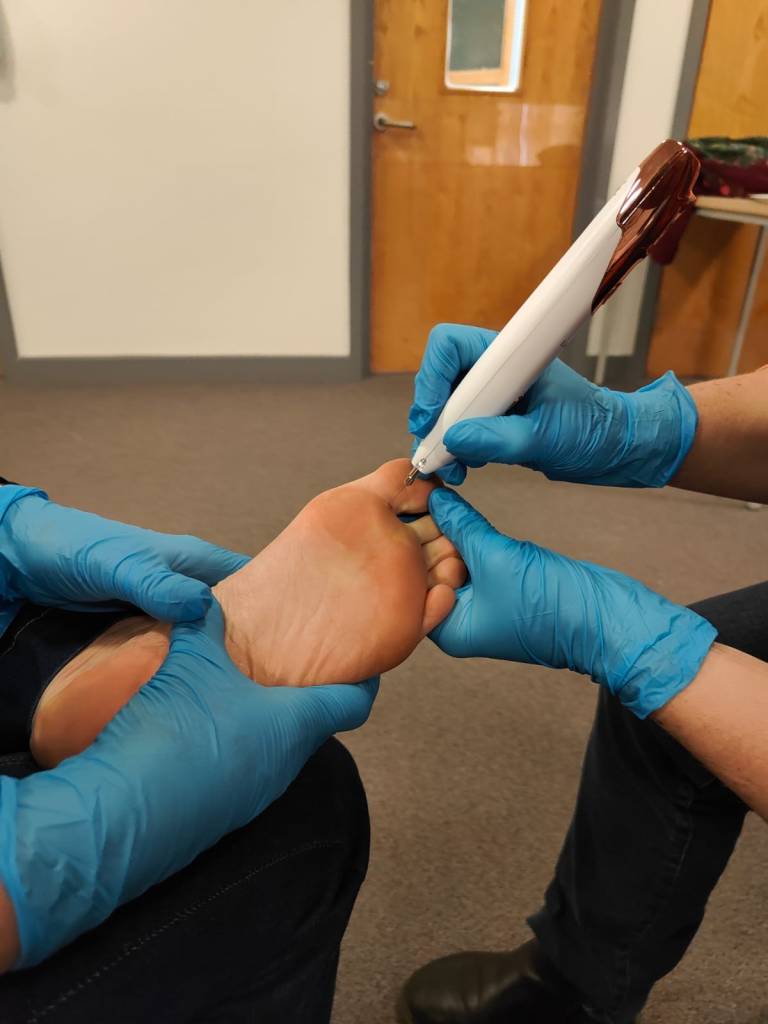
Delegates will also receive detailed training on the use and application guidelines of safe Plasma Pen use.

Course Schedule

10am: Registration and introductions

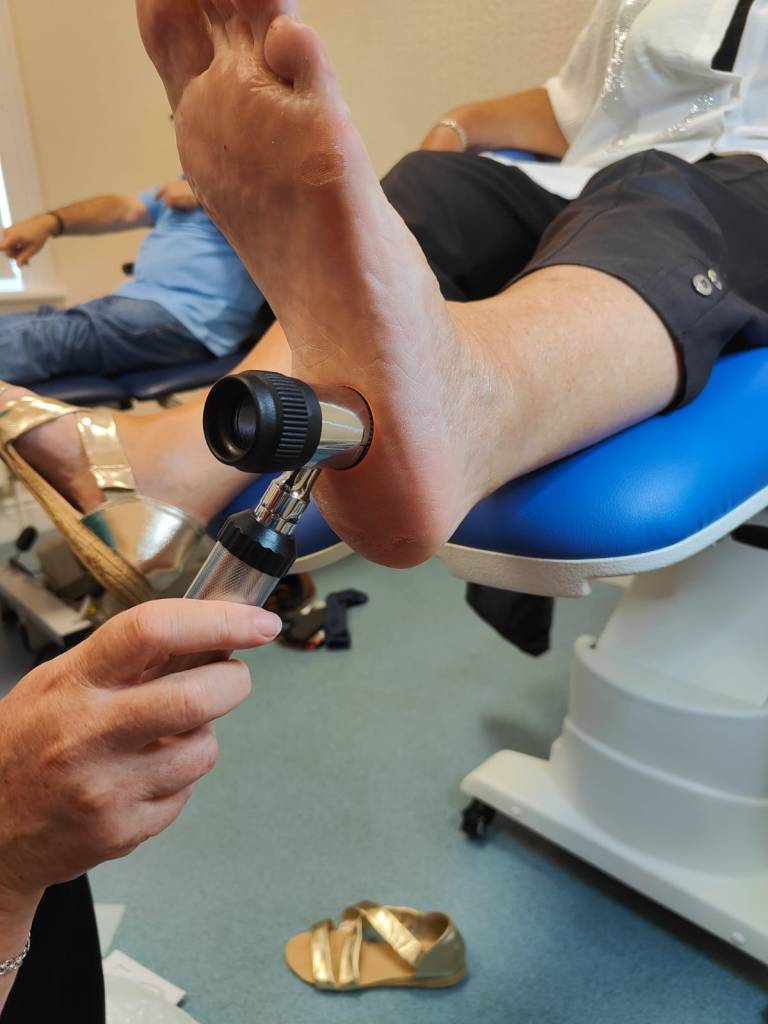
10.30am: Interactive PowerPoint learning and discussion – HPV and identification. Use of dermatoscopes

11.15am: Coffee/tea break

11.30: Products available, what they are and possible treatment options for patients. When to refer? 

12.15pm: lunch

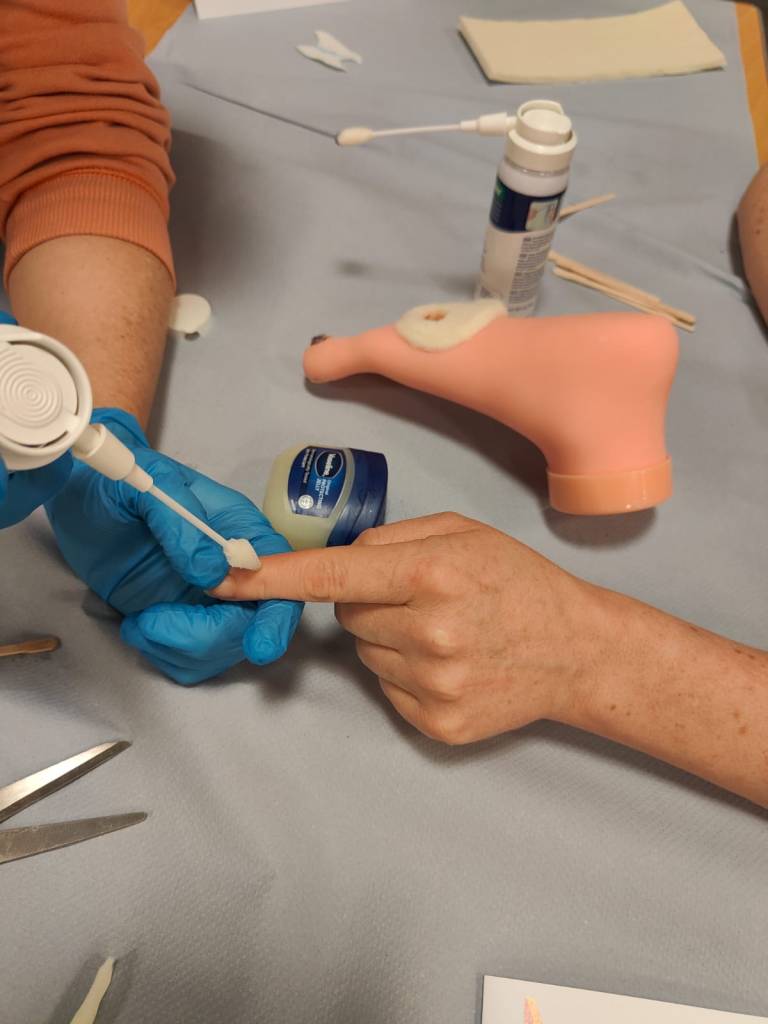
1pm: Verrutop (Nitrizinc) – capillary application on silicone feet. TCA application using silicone feet. Applications of occlusion and wool felt cavity pads. Spirularin VS. Plasma Pen and the use of dermatoscopes.

3.15pm: Coffee/tea break

3.30pm: Q&A’s, certificate presentation

4pm: Close

Course Tutor

Gaynor Wooldridge, is a consultant podiatrist working within a multidisciplinary clinic in Kent. She has a passion and commitment to the field of foot health, with special interests in research, injection therapies, wound care and diabetes. She is a great believer that continuing professional development is central to the ‘lifelong learning’ approach so vital within healthcare.

Members of the College of Foot Health who are undertaking the Higher Diploma can use attendance credits for this course towards completion of their HD.

A comprehensive, hands-on clinical training day for foot health professionals

Join us for an interactive and informative day dedicated to understanding, diagnosing, and managing fungal nail and skin infections.

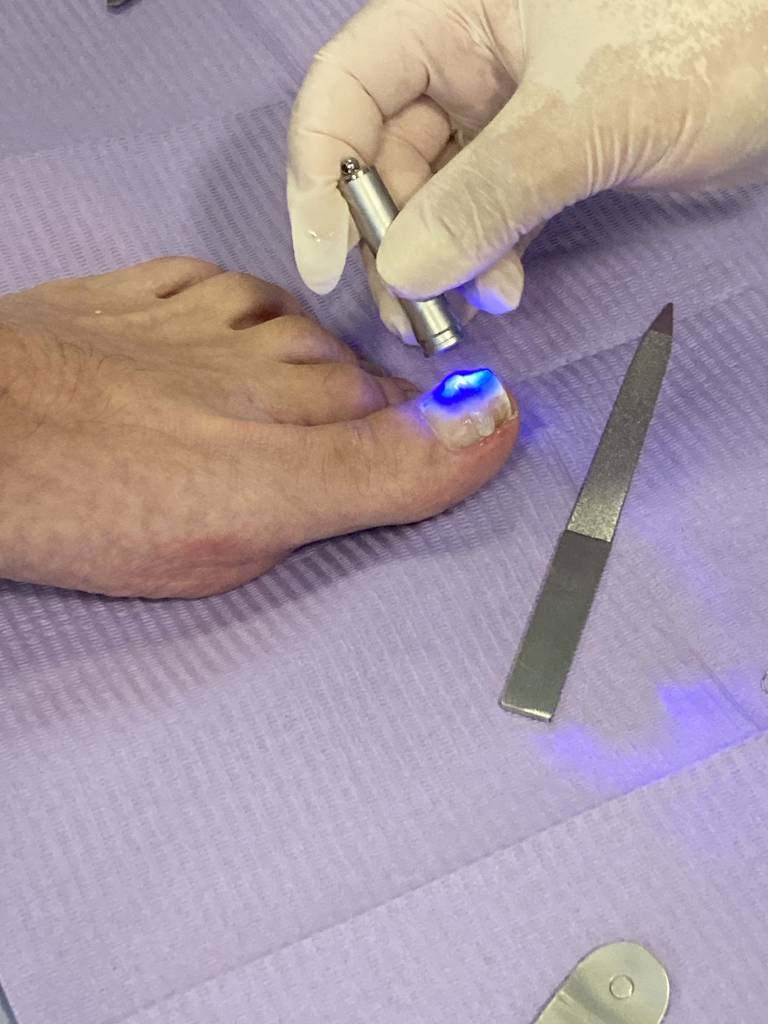
Fungal toenail infections, or onychomycosis, are a common and often persistent condition affecting both nails and surrounding skin. They can cause thickening, discoloration, brittleness, and discomfort, and may impact a patient’s mobility and confidence. Early identification, accurate diagnosis, and effective treatment — including debridement, topical or systemic antifungals, and ongoing care — are essential to restore nail health and prevent recurrence.


This practical course combines evidence-based knowledge with hands-on demonstrations to help you deliver safe, confident, and effective treatments for your patients.

Learning Outcomes:

By the end of this course, you will be able to:

• Integrate diagnostic testing and referral pathways into your clinical practice

• Identify and manage common fungal nail and skin infections confidently

• Perform safe, effective debridement and occlusion techniques

• Select appropriate topical and supportive treatment options

Schedule:

10am: Welcome and introduction to the day

10.30am: The Fungal Nail, Skin (revision)

11.30am: Coffee break

11.45am: PowerPoint: aggressive debridement, chemical ablation, Diafactory fungal test, Bifonazole, Nail surgery, Spirularin NS

12.15pm: Lunch Break

1pm: Demonstration: Aggressive debridement, skin occlusion and the application of 40% urea and Bifonazole. Choice of burrs and drills, selection of topical antifungal agents.

1.15pm: Foot Health Check: skin and nail dermatophyte infection

1.30pm: Silicone feet debriding and skin occlusion, plus application of 40% urea and Bifonazole (substitutes) to learn techniques. Discussion on the use of orange sticks to remove infected material following chemical ablation.

2.15pm: Discussion of product selection for continuing patient treatment. Including:

Emtrex, Lamisil spray, Spirularin NS.

3pm: The Diafactory fungal nail test and when to refer.

3.30pm: Q&A, CPD certificate presentation

4pm: Close

Course tutor

Gaynor Wooldridge, is a consultant podiatrist working within a multidisciplinary clinic in Kent. She has a passion and commitment to the field of foot health, with special interests in research, injection therapies, wound care and diabetes. She is a great believer that continuing professional development is central to the ‘lifelong learning’ approach so vital within healthcare.

CoFH members can use credits (10) from this course towards their Higher Diploma.

Lunch and Refreshments are provided.

Email info@cofh.org.uk to add your name to our waiting list

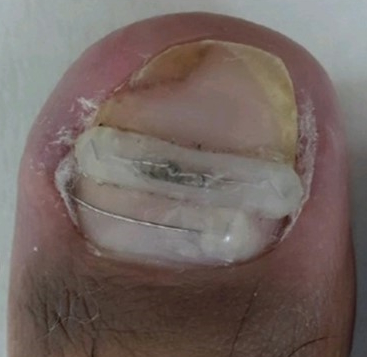
In today’s foot health practices, damaged nails are a common concern among patients, often stemming from trauma, fungal infections, nail surgery, or various medical conditions. As part of a comprehensive treatment plan, toenail reconstruction can be a fantastic, temporary cosmetic solution—sometimes the only viable option for restoring the appearance of a damaged nail.

Toenail reconstruction offers a range of options, each tailored to address the specific needs of the patient. While it is primarily considered a cosmetic procedure, its impact goes beyond aesthetics. For many patients, the restoration of their nail’s appearance can have a profound psychological benefit, boosting confidence and improving overall well-being, especially when no other treatment options are available.

This procedure allows practitioners to offer patients a sense of normalcy and satisfaction, enhancing the holistic care provided.

This course will delve into various nail deformities and pathologies that can lead to unsightly toenails, equipping clinicians with the skills needed to address these issues effectively. You will learn how to confidently prepare the nail plate—and the nail bed if necessary—to create a cosmetically pleasing, temporary prosthetic nail using specialist gels.

The reconstructed toenail not only enhances the appearance of the damaged nail but can also be treated as a ‘normal’ nail, providing patients with a practical and aesthetically satisfying solution. Typically, these prosthetic nails last between 6-8 weeks, offering a durable yet temporary option that can significantly improve the patient’s quality of life.

In this course, we will explore the Wilde-Pedique LCN, polygels and Gehwol toenail reconstruction systems in detail. Attendees will gain comprehensive knowledge and hands-on experience with both of these leading systems, ensuring they are fully qualified to use them in their practice. Upon completion, no additional training will be required, allowing clinicians to begin offering these treatments to their patients immediately.

This course equips you with the skills and confidence needed to incorporate these effective toenail reconstruction methods into your practice seamlessly.

Course Tutor

Gaynor Wooldridge, is a consultant podiatrist working within a multidisciplinary clinic in Kent. She has a passion and commitment to the field of foot health, with special interests in research, injection therapies, wound care and diabetes. She is a great believer that continuing professional development is central to the ‘lifelong learning’ approach so vital within healthcare.

Members of the College of Foot Health who are undertaking the Higher Diploma can use attendance credits (10) for this course towards completion of their HD.

Lunch and refreshments provided.

Our highly regarded Diabetic and Vascular Assessment and Management Course has been comprehensively updated to include a unique hands-on clinical component, providing delegates with direct experience of diabetic foot screening in a live clinical setting. Delivered at our dedicated, state-of-the-art training clinic in Southport, this course combines theoretical learning with supervised clinical practice, ensuring participants leave with both the knowledge and confidence to deliver high-quality diabetic foot care in line with current professional standards and guidelines. This course is ideal for HCPC-registered podiatrists, Foot Health Practitioners, nurses, and allied healthcare professionals involved in diabetes care, as well as clinicians seeking to refresh or expand their knowledge of diabetic and vascular assessment within a structured and supportive learning environment.

Course Aim

To enhance the clinicians’ understanding of diabetes-related foot pathology, vascular assessment, and evidence-based management strategies, while providing practical experience in performing and interpreting diabetic foot screenings.

Learning Objectives

By the end of the course, delegates will be able to:

• Demonstrate practical competency in diabetic foot screening under supervision in a clinical setting.  

  • • Explain the pathophysiological effects of diabetes on the vascular and nervous systems of the lower limb.

• Identify and assess key risk factors associated with diabetic foot complications, including neuropathy and peripheral arterial disease.

• Conduct comprehensive diabetic foot and vascular assessments using current evidence-based screening tools and techniques.

• Interpret clinical findings to accurately stratify patient risk and inform treatment and referral decisions.

• Apply current national and international guidelines to diabetic foot care and management.

• Deliver effective patient education and self-care advice to support long-term foot health and prevention of complications.

Course Content

  • • Theoretical Component Overview of diabetes and its systemic complications
  • • Pathophysiology of diabetic foot disease
  • • Review of vascular and neurological anatomy of the lower limb
  • • Evidence-based diabetic foot risk assessment models
  • • Current guidelines for diabetic foot screening, monitoring, and referral
  • • Understanding ulceration, infection, and amputation risk factors
  • • Review of treatment pathways, multidisciplinary care, and prevention strategies
  • • Patient communication, education, and documentation best practices  

Practical Component

• Reflective discussion and feedback on individual clinical performance

• Structured hands-on sessions within a working diabetic foot screening clinic

• Supervised diabetic foot and vascular screening of real patients

• Use of monofilament testing, Doppler ultrasound, Thermal Imaging

• Risk stratification exercises and case-based learning

• Clinical documentation and communication of findings

Course Tutor

Somuz Miah, CFPodM, BSc (PodM), Dip Sp.I, PGC IP, MFPM RCPS (Glasg),is a qualified Sports Practitioner & Podiatrist (Diploma Sports injuries &Electro Therapy).  

Somuz is a highly respected podiatrist specializing in a variety of foot health and lower limb conditions including diabetic foot care. With over 24 years of experience in preventing and treating diabetes-related foot complications. Somuz has an established history in expertise of wound management, neuropathy assessment and treatment, helping patients maintain mobility and prevent amputations.

Members of the College of Foot Health who are undertaking the Higher Diploma can use attendance credits for this course towards completion of their HD.

Lunch and refreshments are provided.
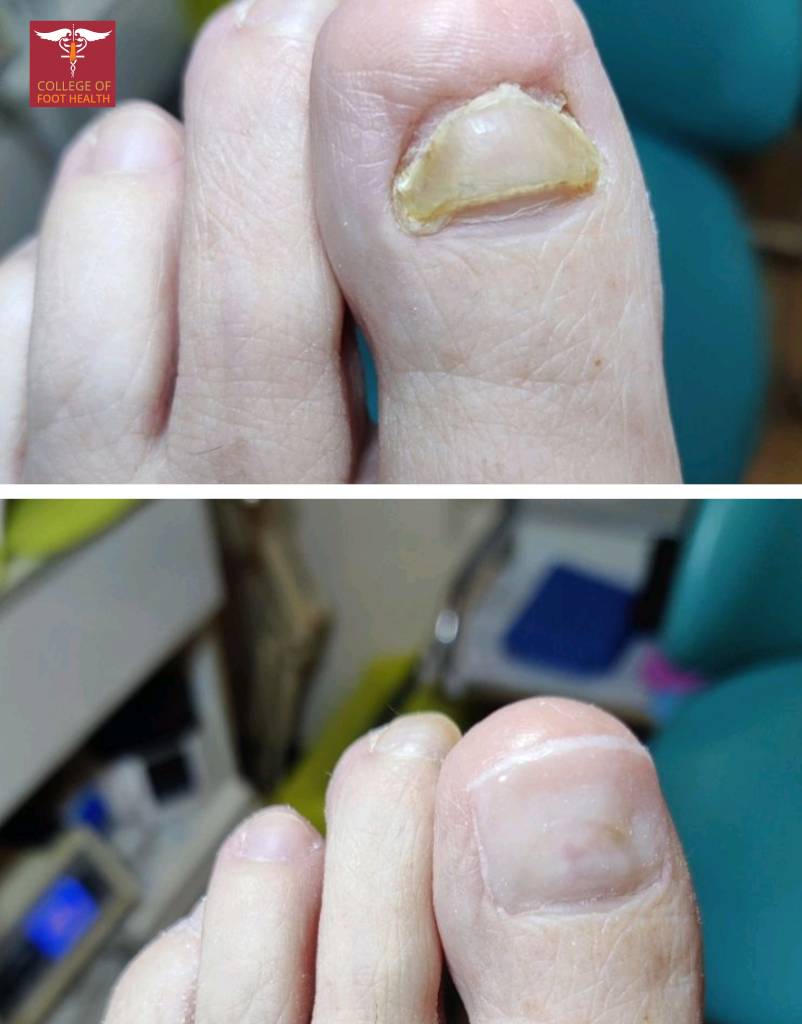
The pain-free, non-invasive, non-surgical treatment solution

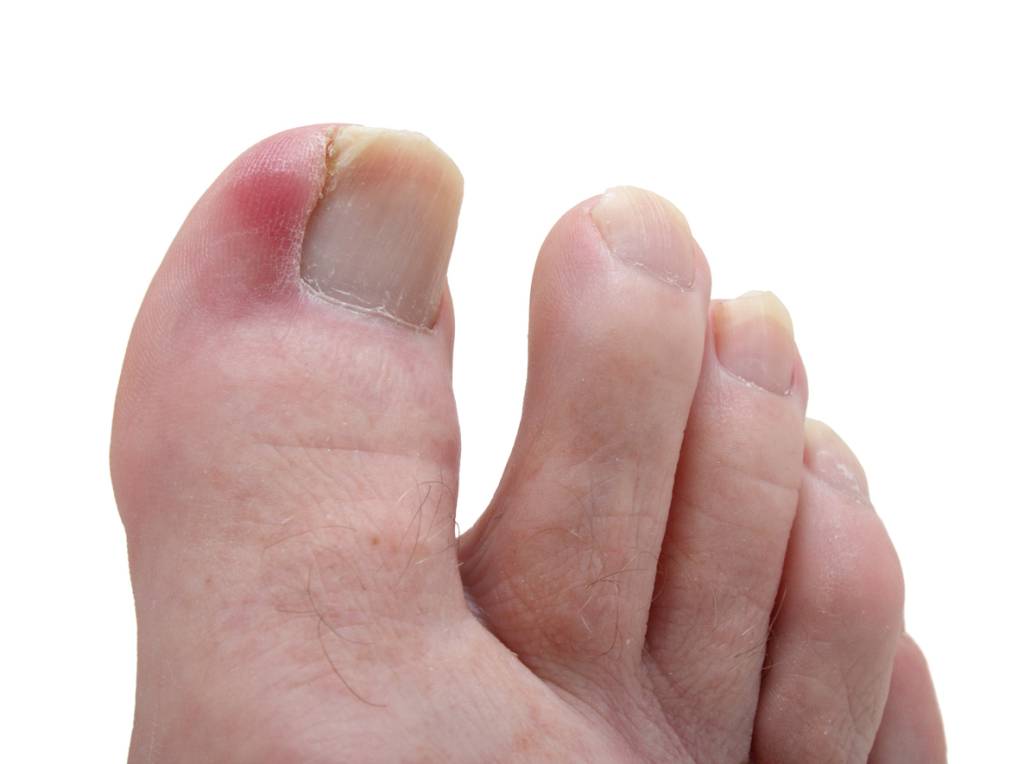
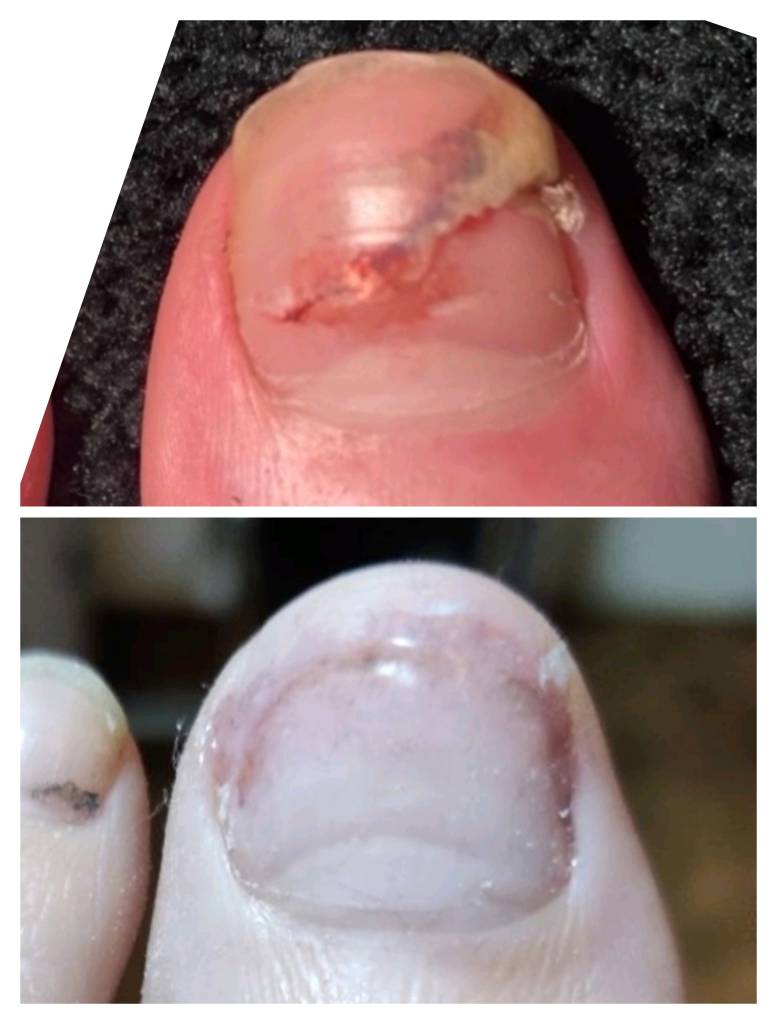
This course will investigate nail pathologies frequently seen by podiatrists and foot health practitioners. We will discuss how we can use safe, simple and inexpensive treatment options that avoid surgery, require no anesthetic, have no recovery period, offer quick relief from pain, and can be repeated successfully without trauma.

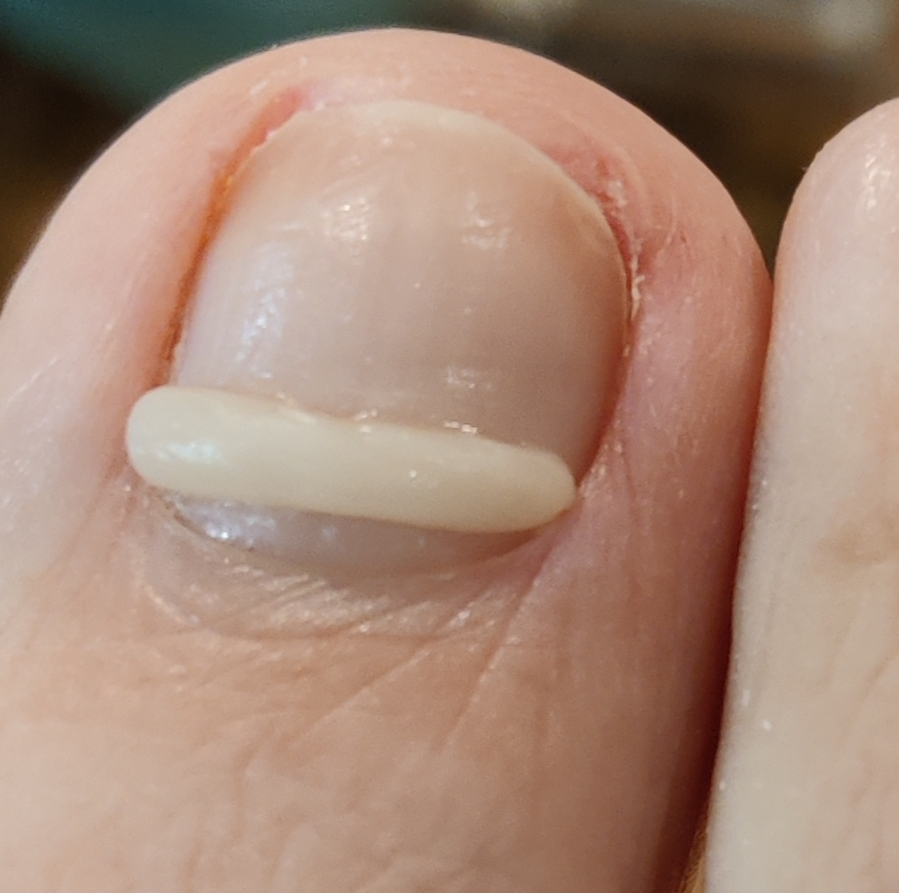
Ingrown toenails are a common and often painful condition that can significantly affect patients’ quality of life. Nail braces offer a conservative, safe, and effective treatment option suitable for various patient groups, including children, those with needle phobia, patients with diabetes or poor wound healing, and individuals with peripheral vascular disease (PVD). They are also ideal for patients who have undergone successful treatment for fungal nail infections, as these nails often grow flatter and wider, necessitating careful management.

Nail braces are evidence-based, affordable for patients, and profitable for practitioners. They provide a non-invasive alternative to more drastic interventions, reducing the risk of complications and promoting better patient outcomes.

During your training, you’ll be introduced to a variety of bracing systems available in the field. These include composite solutions, wired adhesive solutions, and simple adhesive braces. The practical sessions will give you hands-on experience with these different systems, allowing you to gain confidence in their application and use. This course enables the course delegates to purchase Onyfix systems post training.

By becoming proficient with a range of braces, you ensure that you can tailor your treatment plans to the specific needs of each patient, rather than being restricted to a single method. This adaptability is crucial in providing the best care possible and achieving optimal outcomes for your patients.

Course schedule

9.45am -Welcome and refreshments

10.00 -12.15 Nail pathologies and treatments options for ingrown toenails. Nail braces – types, patient selection, research and evidence.

12.15 – 12.45 – Lunch

12.45 – 13.15 – Tutor demonstration

13.15 – 15.15 – Student practical’s

15.15 – 16.00 – Refreshments – Q&A, feedback and CPD

16.00 – Close

Tutor

Gaynor Wooldridge, is a consultant podiatrist working within a multidisciplinary clinic in Kent. She has a passion and commitment to the field of foot health, with special interests in research, injection therapies, wound care and diabetes. She is a great believer that continuing professional development is central to the ‘lifelong learning’ approach so vital within healthcare

Lunch and refreshments are provided throughout the course.

Members of The College of Foot Health, can use credits (10) of attendance towards their Higher Diploma.

Join us for an interactive, one-day practical course designed to help you deliver the best possible conservative treatments for your patients. This engaging workshop blends evidence-based learning with real-world skills you can apply immediately in clinic.

Learning objectives:

  • Assess and manage key MSK conditions – including plantar fasciitis, capsulitis, and hallux abductovalgus.
  • Master functional taping, chairside orthotic modification, and silicone putty devices for targeted patient support.
  • Integrate therapeutic ultrasound and red-light therapy confidently into your treatment plans.
  • Build practical confidence through guided, hands-on instruction led by an experienced clinician.

All attendees will receive practical training in the correct use of therapeutic ultrasound – learning how to safely and effectively reduce discomfort across a range of musculoskeletal conditions. These devices are readily available to FHPs and are covered under CoFH insurance for clinical use.

You’ll also gain step-by-step guidance on Red Light Therapy application and treatment protocols, ensuring you can implement this powerful modality confidently and effectively.

Expand your treatment options with confidence and professionalism.

Learn from an experienced clinician in a supportive environment.

Develop skills you can apply immediately in your practice.

Course Schedule

9.45 -arrivals registration and refreshments

10am – welcome and group introductions

10.30am – PowerPoint learning. Q&A interaction encoruaged

11.15am -Comfort break

11.30am – Tutor demonstrations

  • Taping – Plantar fasciitis  Hallux abductovalgus, plantar plate tear
  • Padding – Morton’s neuroma, cavity pads
  • Replaceable padding and chairside orthotics – how to pad shoe inserts instead of foot, how to make replaceable pads for patients. Metatarsal pads for fat pad atrophy

12.15 – Lunch

1pm – Demo therapeutic ultrasound and Red Light Therapy – treatment protocols

1.15pm – Practical session – all delegates

3.15pm – Q&A

4pm – Close

Course Tutor


Gaynor Wooldridge, is a consultant podiatrist working within a multidisciplinary clinic in Kent. She has a passion and commitment to the field of foot health, with special interests in research, injection therapies, wound care and diabetes. She is a great believer that continuing professional development is central to the ‘lifelong learning’ approach so vital within healthcare.

This course is open to all Foot Health Practitioners, CoFH members can use credits (10) from this course towards the Higher Diploma certificate.

Lunch and refreshments are provided.
This course is only open to members of The College of Foot Health

Max. 10 delegates.

This intensive and highly-practical Advanced Practice training day is designed specifically to reconfirm the skills you have already learnt and are practicing, further developing and advancing your expertise as a Foot Health Practitioner.

The course will focus, but is not limited to, the following:

  • 1. How to perform PNR (partial nail resection) with appropriate use of Clauberg nippers, blacks file and mosquito forceps
  • 2. How to recognize and appropriately treat IPK (intractable plantar keratosis). What is it? Is it a corn? Other treatments to offer? 
  • 3. Wound care, dressings and use of medical honey
  • 4. Dermatology – recognizing psoriasis and dermatitis, including dyshidrotic eczema, and atopic dermatitis, plus appropriate treatments
  • 5. When to, and how to, appropriately refer

A highly practical afternoon, in our training clinic, will involve patient assessment, PNR, IPK, heloma, wound care, use of dermatoscopes for skin issue recognition. Delegates will be practicing on specifically chosen patients.

The course will be held at The Institute of Podiatrists clinical training Centre in Southport.

On completion of the course, course delegates will receive an Advanced Practice Certificate, as well as a ‘working goodie bag’ that includes: Medical Honey, Mosquito forceps, Clinisept, copy of all slides and associated information.

Refreshments provided throughout the day. Lunch included.

This course carries 15 credits towards the Higher Diploma (HD)

Tutor

Gaynor Wooldridge, is a consultant podiatrist working within a multidisciplinary clinic in Kent. She has a passion and commitment to the field of foot health, with special interests in research, injection therapies, wound care and diabetes. She is a great believer that continuing professional development is central to the ‘lifelong learning’ approach so vital within healthcare.

Booking is open for members on our waiting list. Any additional spaces will open on Thursday 13th October 2025

Further your knowledge on actions in clinical emergencies by undertaking our short online assessment.

Each delegate will be sent 2 brochures via post in order to complete an online assessment.

The first is a detailed presentation written by The Institute of Chiropodists and Podiatrists covering anaphylaxis, CPR and automated external defibrillator (AED), the second is a handy size glossy AED & BLS First Aid 4th Edition handbook which is ideal for use in preparation for the online assessment and will prove invaluable as ongoing reference.

Use these two training guides to assist you with the classmarker assessment.

On successful completion you will receive CPD certification totalling 10 points.

Download the Prospectus Today!

(Enter name and email to download)
Close